




Tejano music icon Oscar De La Rosa, the longtime frontman of internationally recognized Tejano supergroup La Mafia, is speaking out in support of Karol G’s “Alguien Que Te Amaba,” a cumbia co-written by the Colombian superstar, legendary Tejano singer-songwriter Pete Astudillo, and acclaimed songwriter-producer Edgar Barrera.
The song has sparked conversation among Tejano fans, particularly over its unmistakable connection to the sound and spirit of Tejano cumbia from the 1990s. While some listeners have embraced Karol G’s interpretation as an opportunity to introduce elements of Tejano music to a massive global audience, others have questioned comparisons to the music of Selena and debated whether contemporary artists are appropriately representing the genre.
For De La Rosa, however, the conversation should be less about comparisons and more about celebration.
In a video shared on social media, the “Un Millón De Rosas” singer directly addressed those criticizing the song and urged fans to listen with an open mind.
“¿Cómo es que no les gusta esa canción? ¿Qué pasa con ustedes? ¿Qué le pasa a los haters?”
Translated to English, De La Rosa asked, “How can you not like that song? What’s wrong with you? What’s wrong with the haters?”
He went on to defend Karol G, Astudillo and Barrera for creating a song that he believes is helping expose audiences outside the traditional Tejano community to a sound that shaped an important era of the genre.
“Thank you for recording this song, because it is opening the eyes and ears of many people who have not heard our music,” De La Rosa said.
He specifically pointed to the production’s ’90s influence, saying the song has “a lot of the style of our music from the ’90s.”
That connection is particularly significant coming from De La Rosa, whose career with La Mafia spans decades of Tejano music’s evolution. Founded in Houston in 1980, La Mafia helped push Tejano beyond its traditional regional boundaries and became one of the genre’s most internationally successful groups. The band’s extensive touring in Mexico and Latin America helped establish a larger audience for Texas-based Tejano and Tex-Mex music.
‘Stop Comparing Every Woman to Selena’
One of De La Rosa’s strongest messages was directed at the tendency to compare every successful female artist working within Tejano or Tejano-influenced music to Selena.
“Why is it that whenever a woman records a song, they always want to compare her to Selena?” De La Rosa said. “Stop that. Come on. Give other people the opportunity to live their dream.”
His comments echo a sentiment increasingly being voiced throughout the Latin music community: Selena’s legacy is monumental, but honoring her does not require placing every new female artist in her shadow.
In the accompanying social media caption, De La Rosa reinforced that message, writing that “Selena will always have her place. Karol is writing her own story.”

That distinction is important in the discussion surrounding “Alguien Que Te Amaba.” Rather than attempting to recreate Selena’s career or identity, Karol G is drawing inspiration from a musical tradition and introducing elements of that sound to listeners who may never have discovered the Tejano music of the 1990s.
And having Astudillo—a songwriter whose work is deeply connected to Selena’s musical legacy—help bridge that generation gap makes the collaboration even more significant.
A Tejano Sound Reaching a New Generation
“Alguien Que Te Amaba” arrives at a moment when Karol G is continuing to expand her musical palette. The song appears on her 2026 album No Me Arrepiento de Sentir Tanto, released August 7, a project that represents a more introspective and experimental direction for the Colombian superstar.
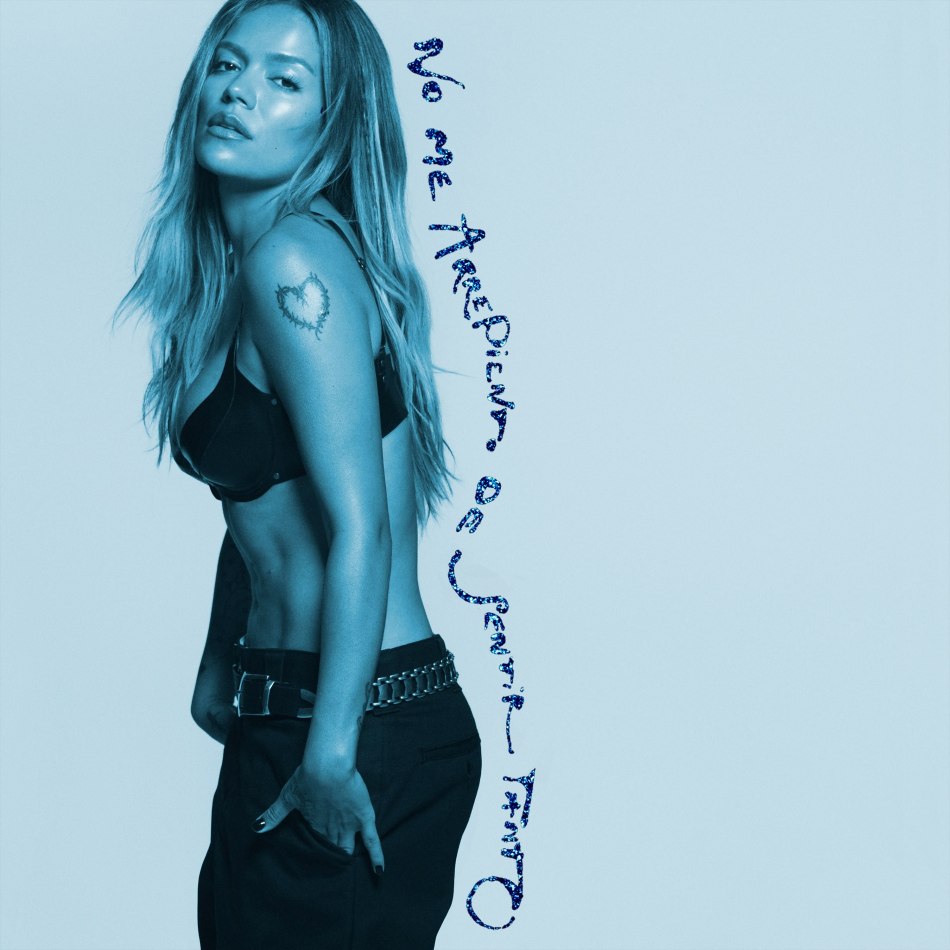
The collaboration with Astudillo gives the song a direct connection to the Tejano tradition, while Barrera brings his extensive experience as one of the most prominent songwriters and producers in contemporary Latin music.
For many longtime Tejano fans, the song’s appeal is its familiarity. Its rhythmic character and musical flavor can evoke the golden era of Tejano cumbia while being presented through the voice and creative vision of one of today’s biggest Latin artists.
De La Rosa believes that crossover can benefit the entire genre.
He also pointed to Mexican-American group Frontera as another example of artists taking regional Mexican sounds to new audiences and said those efforts should be celebrated rather than criticized.
“We have to be proud that someone out there loves what we’re doing, loves what we have done,”
De La Rosa said, adding that he believes Selena herself would have been proud to see the music reaching new audiences.
Is Tejano Gatekeeping Holding the Genre Back?
De La Rosa’s comments also touch on a larger issue facing Tejano music: gatekeeping.
For decades, Tejano has maintained a fiercely loyal fan base that has protected its history, sound and cultural identity. That passion has helped preserve the music through changing musical trends and generations.
But there is a difference between preserving a genre and preventing it from evolving.
When fans insist that Tejano must sound exactly as it did during its commercial peak, emerging artists can find themselves caught between honoring the music’s roots and creating something that reflects their own generation.
That tension is especially important today as younger Tejano artists incorporate elements of regional Mexican, pop, urban, electronic and other contemporary sounds into their music.
Rather than viewing those influences as a threat to Tejano, De La Rosa’s message suggests they can be viewed as another chapter in the genre’s ongoing story.
His criticism of the “haters” was blunt.
“That’s the reason why Tejano music came to an end, because of you haters that don’t allow it to continue to grow and become world-known music again.”
Whether one agrees completely with De La Rosa’s assessment of Tejano’s decline, his larger point is difficult to ignore: a genre cannot reach new audiences if its own community rejects every attempt to take it somewhere new.
Oscar De La Rosa: A Tejano Pioneer
De La Rosa is uniquely positioned to make that argument.
Born in Houston, Oscar De La Rosa is best known as the lead vocalist of La Mafia, the Grammy-winning group he helped establish in 1980 alongside his brother Leonardo Gonzales and keyboardist and accordionist Armando Lichtenberger Jr.
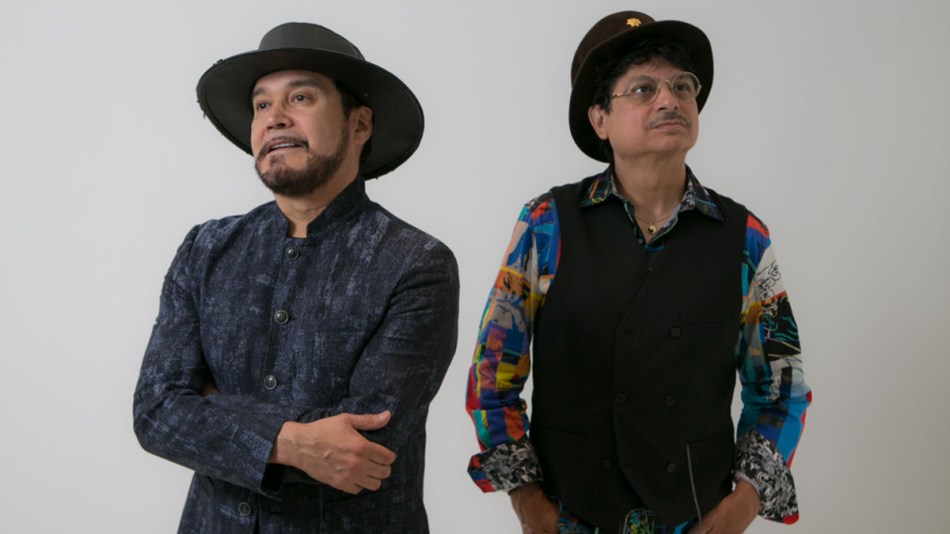
La Mafia emerged from Houston’s Northside and developed a distinctive sound that blended Tejano, cumbia, pop and other Latin influences. The group eventually expanded its reach throughout Mexico, Latin America and beyond, helping demonstrate that a Texas-based Tejano act could build an international audience.
The band’s achievements include Grammy and Latin Grammy recognition, along with numerous Tejano Music Awards and Premio Lo Nuestro honors. La Mafia remains active, with De La Rosa continuing as its lead vocalist.
In other words, De La Rosa isn’t speaking about musical evolution from the sidelines. He spent his career helping evolve Tejano music himself.
‘Stop Hating’
De La Rosa concluded his message with a plea for fans to change the way they approach new artists and new interpretations of Tejano music.
“Give someone else a chance,” he said. “Stop what you’re doing. Stop hating.”
That message may be the most important takeaway from the debate surrounding “Alguien Que Te Amaba.”
Tejano music has a rich history worth protecting. Selena’s legacy deserves to be celebrated. Pete Astudillo’s contributions deserve recognition. The music of La Mafia and the artists who built the genre deserve their place in history.
But the next generation deserves room to create, too.
If Karol G’s “Alguien Que Te Amaba” introduces millions of listeners to the sound of Tejano cumbia, perhaps the question should not be whether it sounds exactly like the music of the past.
Perhaps the better question is where those new listeners go next.
If they discover Selena, Astudillo, La Mafia, David Lee Garza, Mazz, La Sombra, Emilio Navaira and the countless artists who helped build Tejano—and then discover today’s emerging Tejano artists—the genre gains something far more valuable than nostalgia.
It gains new listeners, new artists and another generation.
As De La Rosa put it in his social media message: “Music is not compared, it is celebrated.”
And for a genre that has spent years fighting to remain visible, that may be exactly the attitude Tejano music needs to move forward.
Follow Tejano Nation on Facebook, X (formerly Twitter), and Instagram, and subscribe to our YouTube channel to keep up with everything Tejano. Listen to new Tejano music first with our Spotify playlists and iHeartRadio podcast.


Public Voting Now Open for the 46th Annual Tejano Music Awards
Fans can vote for their favorite Tejano artists through October 18 as the awards show prepares to return to Katy, Texas, for the second consecutive year

Marlissa Vela Honors Her Father’s Legacy With New Single ‘Me Voy Al Amanecer’
The Tejano singer-songwriter unveils the fourth single honoring her father, Ruben Vela, after overcoming personal hardships and production setbacks

Alexis Aliyah Debuts With New Single and Music Video ‘Contigo’
The daughter of Grupo Negami frontman Carlos Villegas begins carving out her own musical identity with a soulful love song
Discover more from Tejano Nation
Subscribe to get the latest posts sent to your email.


I’m from Corpus Christi Texas (74) and play music with my brother’s aunts uncles and cousins, friends. Any Spanish speaking person can play sing in any style of music. If that are playing tejano and are from another country (countries). So be it. As far as I know she sounds and beautiful.
LikeLike