
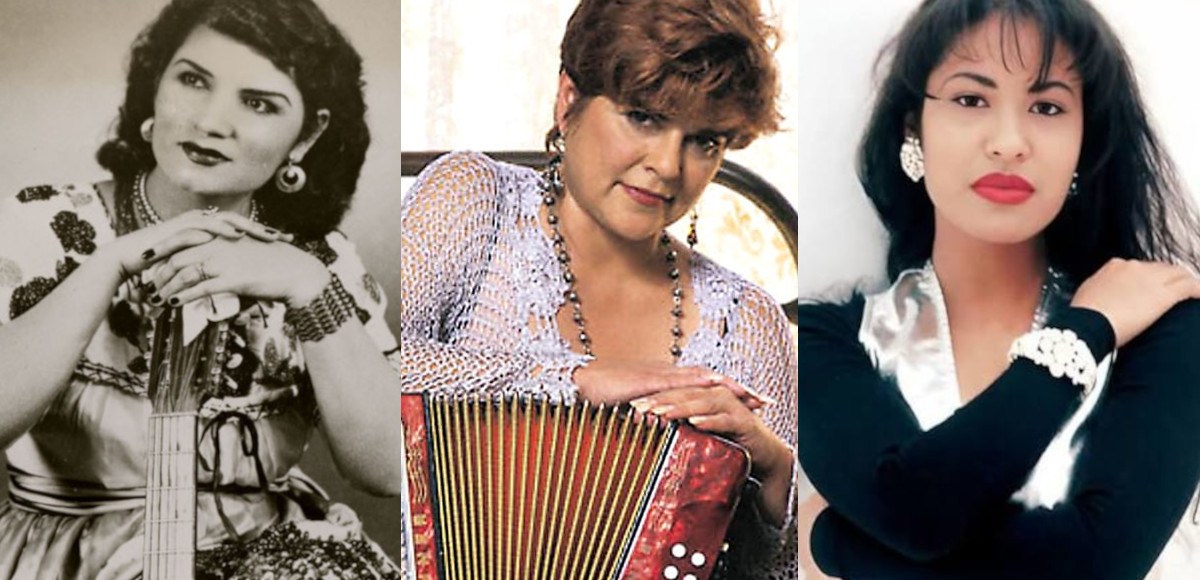

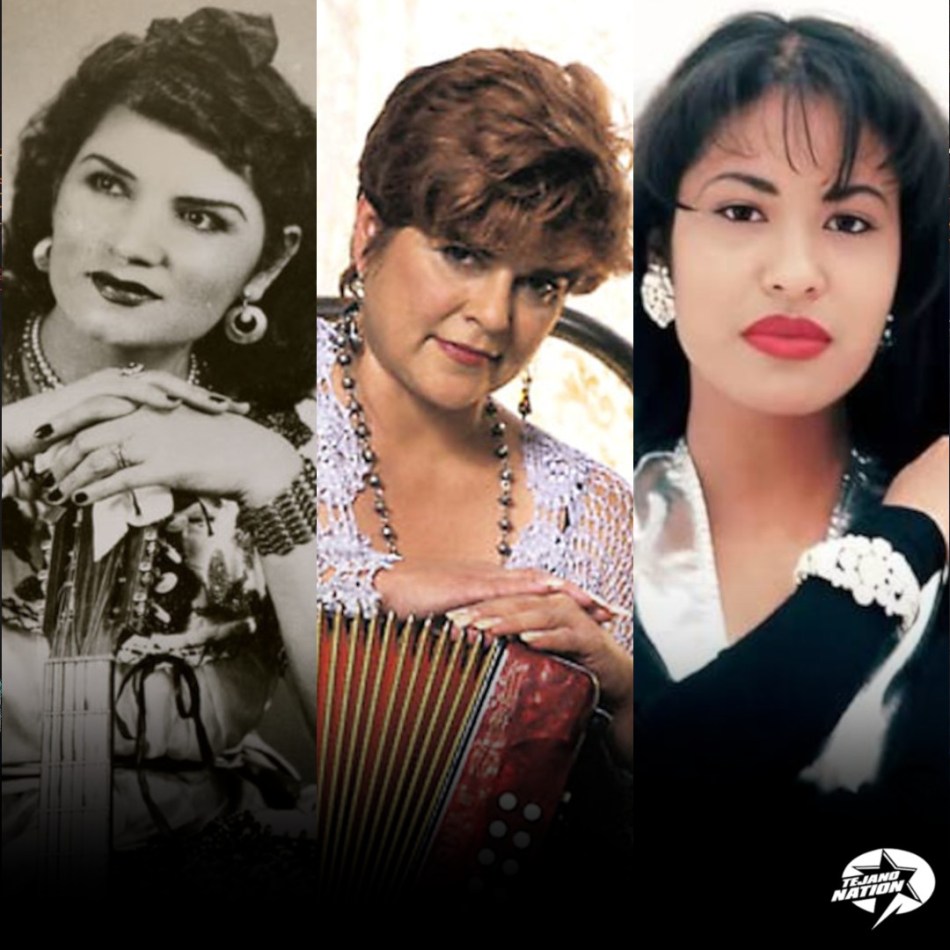
Before the crowns, the sold-out shows, and the global recognition, there was a foundation built by fearless women who refused to be silenced. From Lydia Mendoza, who carved a path in the 1930s, to legends like Laura Canales and Selena Quintanilla-Perez, the evolution of Tejano music has been shaped by powerful female voices who turned struggle into legacy. Their stories are not just about music—they are about resilience, culture, and a lasting impact that continues to define what it means to be a queen in Tejano today.
Before the rise of the genre’s most celebrated female voices, it is essential to recognize Lydia Mendoza, widely considered the mother of Tejano music. Beginning in the 1930s, Mendoza paved the way for women in a movement largely dominated by men, bringing her voice and guitar to stages where few women had the opportunity to perform.
Her unique style and deep connection to the Mexican-American experience laid the foundation for generations of female Tejano artists, securing her place as an undeniable pioneer and enduring inspiration.

In a generation where everything is questioned and little seems to satisfy, one debate continues to echo through time:
Who is the true queen of Tejano music?
For more than four decades, female voices have carried the Tex-Mex banner with pride, shaping a genre that is as emotional as it is cultural. Their music has crossed borders, defined identities, and built a legacy that refuses to fade.
But if we are to speak of origins—of roots and foundation—there is only one place to begin:
The Pioneer Who Opened the Door
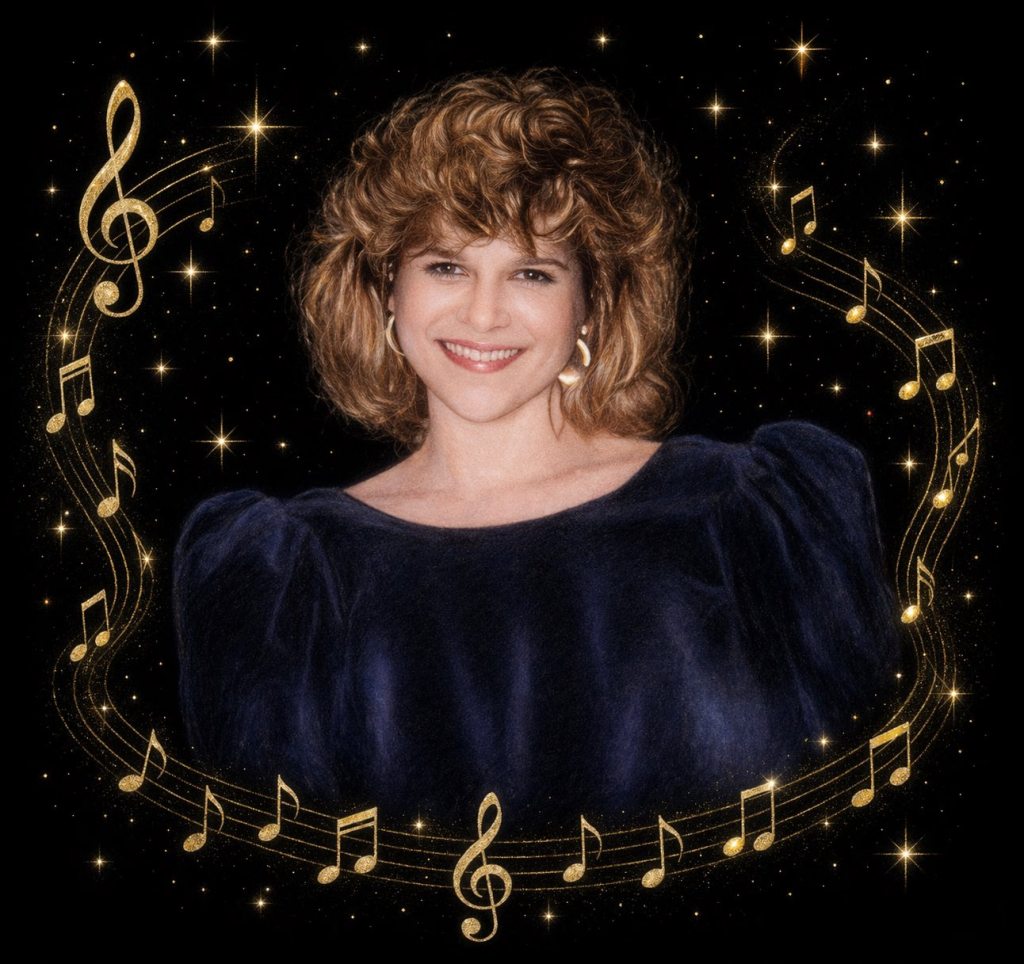
Long before the spotlight expanded, Laura Canales was already there—breaking barriers in a male-dominated industry during the 1970s and 80s. She didn’t just participate in Tejano music; she helped define it.
Her presence created space where none existed, inspiring generations of women to step forward and claim their voice.
The 80s Wave: A New Era of Queens
The 1980s marked a turning point. A powerful wave of female artists emerged, each bringing a unique sound and identity to Tejano music.
Among them were Elsa García, Selena Quintanilla-Perez, Shelly Lares, and Patsy Torres —artists who didn’t just rise to fame, but helped shape the identity of an entire movement.

Patsy Torres, in particular, became a guiding force for the next generation. As a mentor and inspiration to Shelly Lares, her influence extended beyond her own career—it lived on through others.
Selena would go on to become the most globally recognized Tejano artist in history, bringing the genre to an international stage. Elsa García made history with four consecutive gold records, while Shelly Lares captivated audiences across the United States and northern Mexico with her distinctive voice and evolving style.
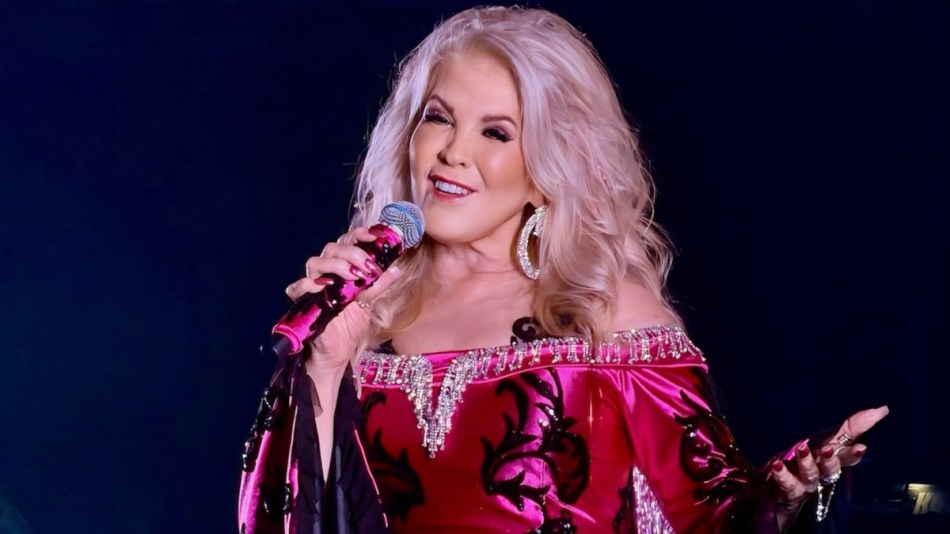
And through it all, Laura Canales remained a queen.
The 90s Explosion and a New Generation
The 1990s introduced a new era—an evolution in sound, style, and reach. While some pioneers stepped back, others rose to carry the torch.
During this explosive decade, artists like Elida Reyna, Jennifer Peña, and Stefani Montiel emerged, redefining what it meant to be a Tejano artist in a rapidly changing industry.
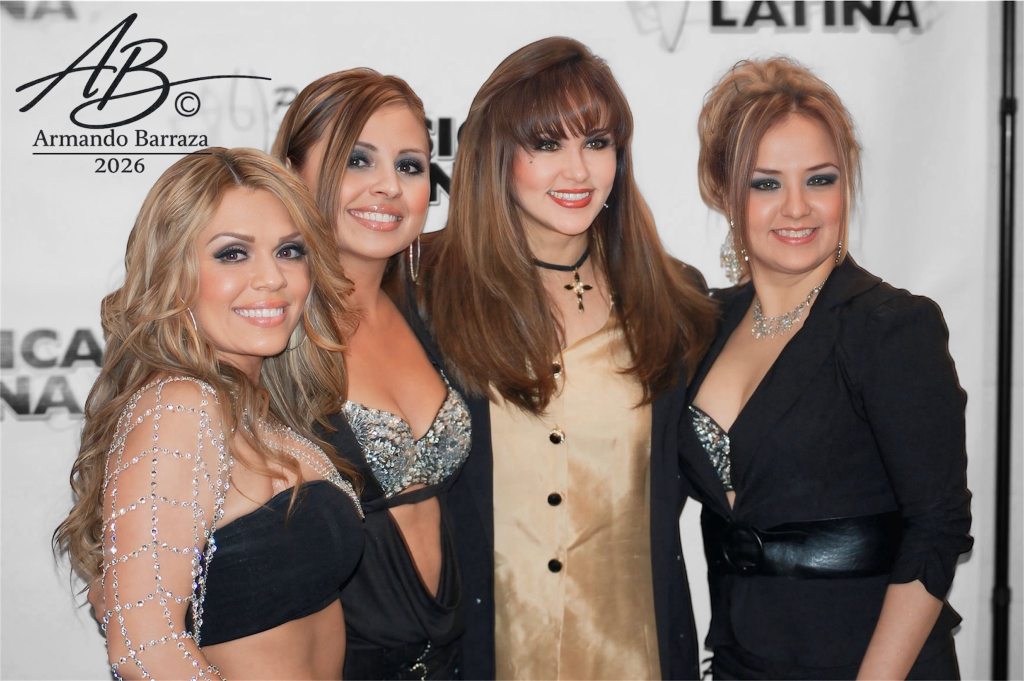
They were not just successors—they were innovators.
Where They Stand Today — 2026
Time has reshaped the journey of these queens, each following a different path.
Some are no longer with us, like Laura Canales and Selena, whose legacies have only grown stronger with time. Others stepped away from the spotlight, including Shelly Lares and Elida Reyna, leaving behind careers that defined generations.
Some made long-awaited returns, like Elsa García and Jennifer Peña, reminding audiences why they were crowned by the people in the first place.
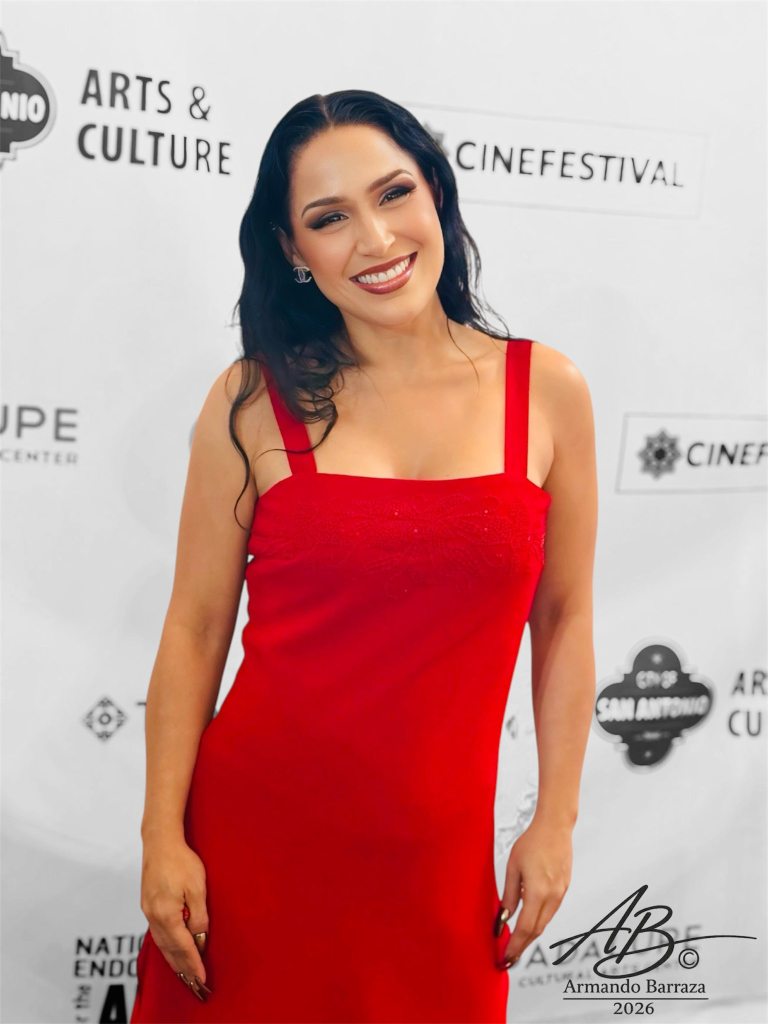
And then there is one who never stopped.
Stefani Montiel continues to stand as a symbol of perseverance. In a genre where criticism and machismo have tested even the strongest, she has remained constant—unshaken and unapologetic. Her journey is not just about music. It is about resilience.
More Than a Crown
Through the years, new voices have emerged—some powerful, some still searching. But one truth has never changed:
The people choose their queens. There is no single crown. There never was.
Each artist holds a space uniquely her own, shaped by the memories and emotions of those who lived through her music. Because in Tejano, royalty is not declared — it is earned.
A Legacy That Lives On
Ironically, many of these women never sought the titles they were given. Selena often rejected being called a queen. Elsa García embraced “The First Lady of Tejano” with humility, never self-proclaiming. Jennifer Peña, known as “The Princess of Tejano,” received that title from her fans—not by choice, but by impact.
And that is the essence of the genre.
Today, instead of debating who deserves the crown, perhaps the focus should shift:to gratitude.
Gratitude for the women who built the path. For the voices that defined a culture. For the legacy that continues to inspire.
The Eternal Queens
For many, the answer is not singular—it is personal: Laura Canales, Elsa García, Selena, Shelly Lares, Elida Reyna, Stefani Montiel, Jennifer Peña, and Patsy Torres.
And in the hearts of their audience…they will reign forever.
Follow Tejano Nation on Facebook, X (formerly Twitter), and Instagram, and subscribe to our YouTube channel to keep up with everything Tejano. Listen to new Tejano music first with our Spotify playlists and iHeartRadio podcast.

Rita Capuchina Y Ánimo Honors Mothers With Emotional New Single ‘Hermoso Ayer’
San Antonio-recorded ballad arrives Mother’s Day weekend as a touching tribute to love, loss, and cherished memories
Isabel Marie to Honor Selena at 2026 Grammy Hall of Fame Gala Celebrating ‘Amor Prohibido’
Tejano star joins an all-star lineup at the Beverly Hilton as Selena’s landmark album receives one of music’s highest honors
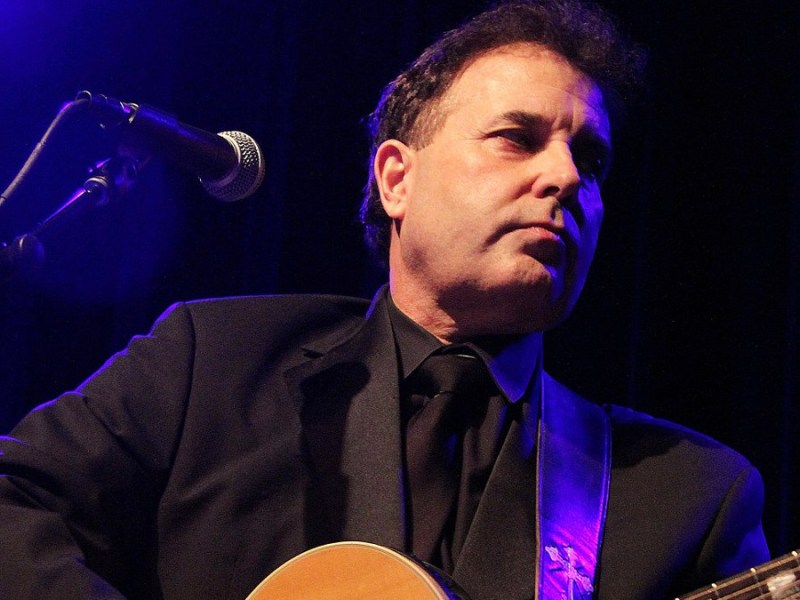
Gary Hobbs Opens His Heart on Music, Memories, and ‘Family & Friends’ Cruise Ahead of Mother’s Day Performance
Tejano legend reflects on Cruise #8, offers advice to rising artists, and honors late mother Anne McLemore Hobbs before free show in Katy, Texas
Discover more from Tejano Nation
Subscribe to get the latest posts sent to your email.

 Tejano Nation
LikeLike
I am glad you mentioned Patsy Torres because she was very important to San Antonio residents. I lived on the Westside and grew up during the 1970s -1980s. I remember her visiting my elementary school. I also remember her in my teen years during the 1980s. By the way I am African American and I would say that Ms Torres provided an important marker for San Antonio Latin culture, Tejano music and other ethnic residents who appreciate our shared diversity, musical influences and community.
LikeLike