



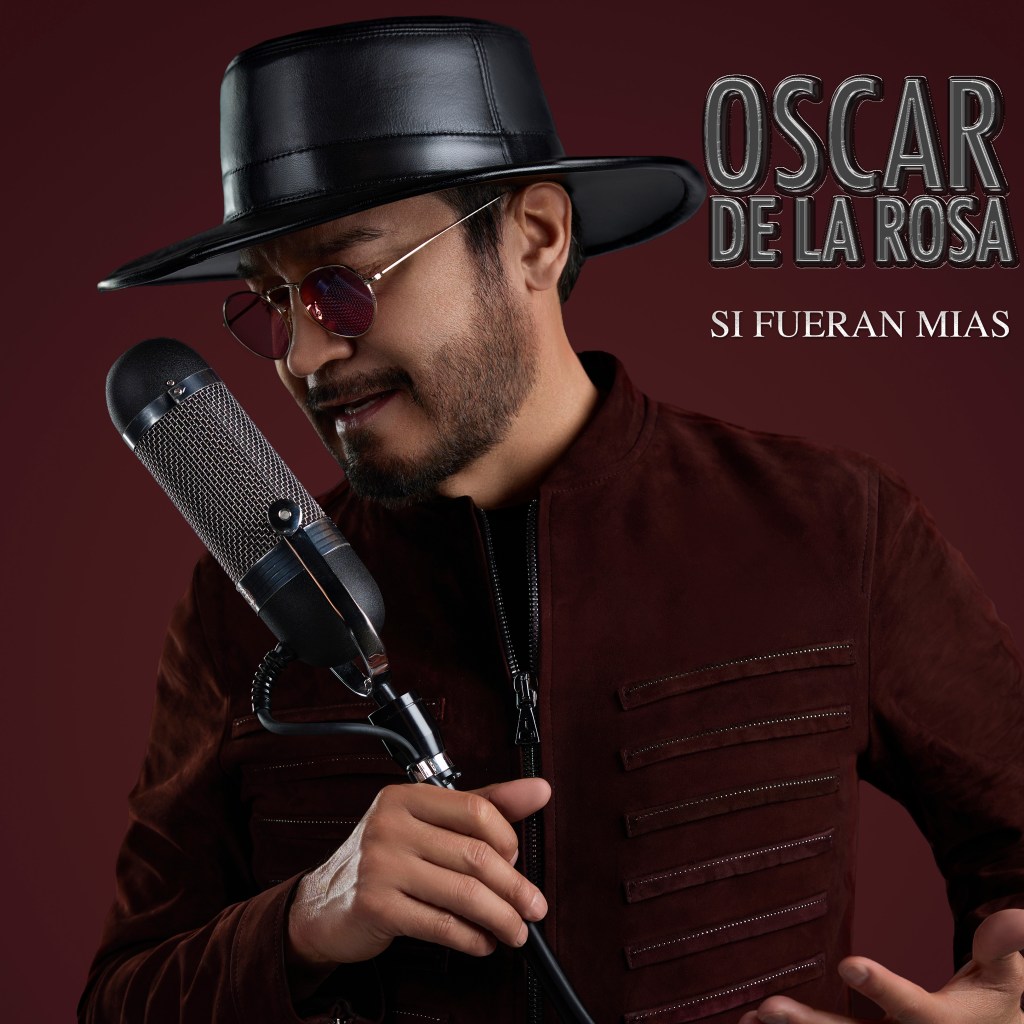
After nearly five decades as the unmistakable voice of La Mafia, Oscar De La Rosa is officially embarking on a historic new journey — as a solo artist.
The legendary singer has released Si Fueran Mías, the first full-length album of his career recorded outside of the iconic band he co-founded in Houston in 1980. Produced by longtime collaborator Armando Lichtenberger Jr., the project marks a major milestone for one of Tejano music’s most celebrated voices.
During a recent interview with Bo Corona on Fierro HD, De La Rosa opened up about the significance of finally stepping outside the La Mafia banner for the very first time.
“I had never done an album without La Mafia,” he shared. “This is going to be my first album without La Mafia.”
While the album bears his name, De La Rosa emphasized that the creative process remained deeply collaborative — much like the partnership that helped turn La Mafia into an international powerhouse.
“It was my ideas with his ideas,” he explained. “We did real live strings — no keyboard strings. It’s all real live musicians.”
Reflecting on nearly 46 years of working alongside Lichtenberger, De La Rosa described how their recording methods have evolved over the decades.
“Back in the day, we would bring everybody in and we would all do it together,” he recalled. “But now Mando starts off with the drums, then brings in the bass player, then the guitar player. No one is there at the same time, and he’s arranging this in his head.”
The album’s title, Si Fueran Mías — translated as “If They Were Mine” — perfectly captures the spirit of the project. The collection features beloved songs originally made famous by other artists, now reimagined through De La Rosa’s signature style and unmistakable voice.
The project’s lead single, “Me Gusta Estar Contigo,” is a treasured composition written by legendary Mexican singer-songwriter Juan Gabriel, born Alberto Aguilera Valadez. The song was originally recorded in 1962 by beloved Mexican singer and actress Angélica María, famously known as “La Novia de México.”
The album’s second single, “Historia de Un Amor,” is the timeless bolero classic penned by renowned Panamanian songwriter Carlos Eleta Almarán and famously recorded by Luis Miguel in 1994.
Fans can also expect heartfelt renditions of classic love songs including “Noches Eternas,” “Parece Que Fue Ayer,” “Amor Bonito,” “No Sabes,” “Te Quiero Más,” and more.
Even while launching this new solo chapter, La Mafia continues to thrive. Still going strong after forming in Houston in 1980, La Mafia recently launched its Epic Tour 46, celebrating 46 years of music while performing to sold-out crowds across the United States and Mexico. In 2024, the legendary group also expanded its brand with the launch of its own premium tequila line.
Together, De La Rosa and Lichtenberger have guided La Mafia to decades of chart-topping success, earning Grammy Awards, Latin Grammy recognition, and cementing their place as pioneers in Tejano music history.
Now, with Si Fueran Mías, Oscar De La Rosa is proving that even after decades at the top, there are still new dreams to chase — and new chapters waiting to be written.
Follow Tejano Nation on Facebook, X (formerly Twitter), and Instagram, and subscribe to our YouTube channel to keep up with everything Tejano. Listen to new Tejano music first with our Spotify playlists and iHeartRadio podcast.


Texas Internet Radio Chart Announces New TIRC Tex-Mex Airplay Chart
New chart launching in January 2027 will spotlight a Texas-rooted sound blending Texas Country and American roots music with Mexican-American influences
Leo y Temptacion Reimagine ‘Dímelo’ as a Duet
Leo Alvarado and new vocalist Jennifer Lynn bring a fresh male-female dynamic to the Latin Grammy-winning Siggno hit
Interview: Ram Herrera Embraces Country Music With New Bilingual Single ‘Just One Time’
Tejano legend takes his sound to Nashville for a new musical chapter, with a country album now in the works
Discover more from Tejano Nation
Subscribe to get the latest posts sent to your email.


0 comments on “Oscar De La Rosa Releases Historic First Solo Album ‘Si Fueran Mías’ After 46 Years with La Mafia”