
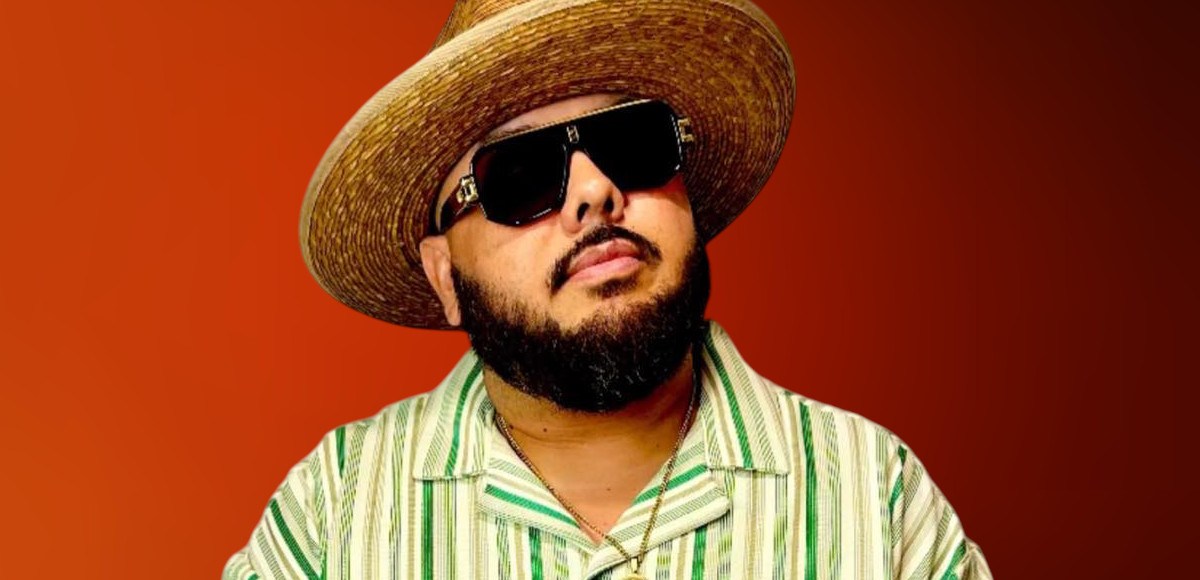


On a cool Fall evening in El Paso, Texas, the crowd at the Tejano Fever Super Show leaned in as Rev Ray took the stage. For many, it was a homecoming — not just for the artist himself, but for the community that watched him grow from a boy singing in church pews to a performer blending genres in ways few had imagined.
Raymond Ricardo Lopez, known to fans as Rev Ray, first discovered his voice in the sanctuary of his hometown church. “I realized I had talent and loved to sing,” he recalls in a backstage interview with Tejano Nation. Those early performances weren’t about fame or recognition; they were about connection — the kind of spiritual and communal bond that music can create.
Influences That Shaped His Sound
As he grew, Rev Ray immersed himself in the music of legends. Boyz II Men taught him the power of harmony. Otis Redding and The Temptations showed him how soul could carry emotion across generations. And then there was Bread — the 1970s soft rock band whose romantic ballads became his personal soundtrack. Songs like “Baby I’m-a Want You” and “Make It With You” didn’t just inspire him; they helped shape the tenderness and vulnerability in his own performances.
Defining Fusion in Tejano
Ask Rev Ray to describe his style today, and he doesn’t hesitate: “I’m a fusion artist. More of a Cumbia-ton, soul, reggae type of vibe. I mix all those genres together and make you dance. Putting the fusion into Tejano.”
That fusion is more than a gimmick — it’s a philosophy. By listening to artists across genres, he keeps his creative flow fresh, pulling threads from reggae rhythms, soulful ballads, and Latin beats to weave something uniquely his own.
Ritmos y Raíces, was released last year by ShellShock Records 3 and is proof of that vision. His latest single, “Cumbia de Calle,” pulses with energy, its vibe reminiscent of Ozomatli, and its YouTube video has already surpassed 235,000 views. For Rev Ray, the collaboration was surreal: “Working with Shelly Lares has been a dream, real talk. I didn’t think that I would work with her. I knew who she was when I first started.”
Beyond Music: A New Role in Film
Music may be his foundation, but Rev Ray is expanding his artistry into new territory. He will soon appear in“King of the South,” a series filmed by Gabriel Carmona. The series explores a family’s struggles, drama, and fight for power, and Rev Ray takes on the role of Primo — a character that allows him to channel his creativity in a different medium. Acting, he says, is another way to tell stories, another way to connect.
What Comes Next
Rev Ray isn’t slowing down. He plans to close out the year with another single, and as the New Year begins, he and ShellShock Records will release a full album. For fans, it’s a chance to see how far his fusion style can stretch — and for Rev Ray, it’s another step in a journey that began in a small church in El Paso.
Fans can follow Rev Ray on Facebook and on YouTube.
Subscribe to Tejano Nation on YouTube
Follow Tejano Nation on Facebook, X (formerly Twitter), and Instagram, and subscribe to our YouTube channel to keep up with everything Tejano. Listen to new Tejano music first with our Spotify playlists and iHeartRadio podcast.


Magic 106.5 Cinco de Mayo Celebración Returns with Star-Studded Lineup in Lubbock
Siggno, AJ Castillo, La Fiebre and more headline all-day festival of música, cultura, and family fun at South Plains Fairgrounds
Bobby Pulido Fires Back at ‘Sleazy Tabloid’ Story, Refocuses Campaign on South Texas Issues
Tejano star and congressional candidate dismisses controversy over past association, says voters care more about gas prices, healthcare, and affordability
Shelly Lares Talks ‘Sonidos de San Antonio 2026,’ A Star-Studded Celebration of Tejano Legacy and Future
The landmark concert unites icons and students at the historic Empire Theatre supporting the next generation of Tejano music
Discover more from Tejano Nation
Subscribe to get the latest posts sent to your email.

 Tejano Nation
0 comments on “Rev Ray: Fusing Faith, Rhythm, and Roots”